
A Whole Lotta Family - Person Sheet
A Whole Lotta Family - Person Sheet
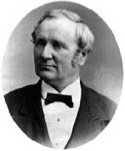
NameVice President Thomas Andrews Hendricks 

Birth7 Sep 1819, East Fultonham, Muskingum Co, Ohio11
Death25 Nov 1885, Indianapolis, Marion Co, Indiana11 Age: 66
BurialCrown Hill Cemetery, Indianapolis, Marion Co, Indiana565
OccupationIndiana Politician, Vice President of United States
FatherJohn Hendricks (1792-1866)
MotherJane Thomson (1793-1874)
Notes for Vice President Thomas Andrews Hendricks
Hendricks, Thomas Andrews (1819-1885) Nephew of Thomas Hendricks and
William Hendricks; son of John Hendricks; cousin of Abram Hendricks,
William Hendricks, Jr. and Abram W. Hendricks. Born near Zanesville,
Ohio, September 7, 1819. Member of Indiana state house of
representatives, 1848-1849; delegate to Indiana state constitutional
convention, 1850-1851; U.S. Representative from Indiana, 1851-1855
(5th District 1851-1853, 6th District 1853-1855); defeated, 1854; U.S.
Senator from Indiana, 1863-1869; Governor of Indiana, 1873-1877;
defeated, 1860, 1868; Vice President of the United States, 1885;
defeated, 1876. Died in Indianapolis, Ind., November 25, 1885.
Interment at Crown Hill Cemetery, Indianapolis, Ind. (See also his
congressional biography.)
HENDRICKS, Thomas Andrews, 1819-1885
Years of Service: 1863-1869
Party: Democrat
HENDRICKS, Thomas Andrews, (nephew of William Hendricks), a
Representative and a Senator from Indiana and a Vice President of the
United States; born near Zanesville, Ohio, September 7, 1819; moved
with his parents to Indiana in 1820; pursued classical studies and
graduated from Hanover (Ind.) College in 1841; studied law in
Chambersburg, Pa.; was admitted to the bar in 1843 and commenced
practice in Shelbyville, Ind.; member, State house of representatives
1848; member of the State constitutional convention; elected as a
Democrat to the Thirty-second and Thirty-third Congresses (March 4,
1851-March 3, 1855); unsuccessful candidate for reelection in 1854 to
the Thirty-fourth Congress; chairman, Committee on Mileage
(Thirty-second Congress), Committee on Invalid Pensions (Thirty-third
Congress); Commissioner of the General Land Office 1855-1859;
unsuccessful Democratic candidate for Governor of Indiana in 1860;
moved to Indianapolis in 1860 and practiced law; elected as a Democrat
to the United States Senate and served from March 4, 1863, to March 3,
1869; Governor of Indiana 1872; unsuccessful candidate for Vice
President of the United States on the Democratic ticket with Samuel
Tilden in 1876; elected Vice President of the United States in 1884 on
the Democratic ticket with Grover Cleveland and served from March 4,
1885, until his death in Indianapolis, Ind., November 25, 1885;
interment in Crown Hill Cemetery.
Bibliography
DAB; Gray, Ralph D. Thomas A. Hendricks: Spokesman for the
Democracy. In Gentlemen from Indiana: National Party Candidates,
1836-1940, edited by Ralph D. Gray, pp. 117-39. Indianapolis: Indiana
Historical Bureau, 1977; U.S. Congress. Memorial Addresses. 49th
Cong., 1st sess., 1886. Washington, D.C.: Government Printing Office,
1886
William Hendricks; son of John Hendricks; cousin of Abram Hendricks,
William Hendricks, Jr. and Abram W. Hendricks. Born near Zanesville,
Ohio, September 7, 1819. Member of Indiana state house of
representatives, 1848-1849; delegate to Indiana state constitutional
convention, 1850-1851; U.S. Representative from Indiana, 1851-1855
(5th District 1851-1853, 6th District 1853-1855); defeated, 1854; U.S.
Senator from Indiana, 1863-1869; Governor of Indiana, 1873-1877;
defeated, 1860, 1868; Vice President of the United States, 1885;
defeated, 1876. Died in Indianapolis, Ind., November 25, 1885.
Interment at Crown Hill Cemetery, Indianapolis, Ind. (See also his
congressional biography.)
HENDRICKS, Thomas Andrews, 1819-1885
Years of Service: 1863-1869
Party: Democrat
HENDRICKS, Thomas Andrews, (nephew of William Hendricks), a
Representative and a Senator from Indiana and a Vice President of the
United States; born near Zanesville, Ohio, September 7, 1819; moved
with his parents to Indiana in 1820; pursued classical studies and
graduated from Hanover (Ind.) College in 1841; studied law in
Chambersburg, Pa.; was admitted to the bar in 1843 and commenced
practice in Shelbyville, Ind.; member, State house of representatives
1848; member of the State constitutional convention; elected as a
Democrat to the Thirty-second and Thirty-third Congresses (March 4,
1851-March 3, 1855); unsuccessful candidate for reelection in 1854 to
the Thirty-fourth Congress; chairman, Committee on Mileage
(Thirty-second Congress), Committee on Invalid Pensions (Thirty-third
Congress); Commissioner of the General Land Office 1855-1859;
unsuccessful Democratic candidate for Governor of Indiana in 1860;
moved to Indianapolis in 1860 and practiced law; elected as a Democrat
to the United States Senate and served from March 4, 1863, to March 3,
1869; Governor of Indiana 1872; unsuccessful candidate for Vice
President of the United States on the Democratic ticket with Samuel
Tilden in 1876; elected Vice President of the United States in 1884 on
the Democratic ticket with Grover Cleveland and served from March 4,
1885, until his death in Indianapolis, Ind., November 25, 1885;
interment in Crown Hill Cemetery.
Bibliography
DAB; Gray, Ralph D. Thomas A. Hendricks: Spokesman for the
Democracy. In Gentlemen from Indiana: National Party Candidates,
1836-1940, edited by Ralph D. Gray, pp. 117-39. Indianapolis: Indiana
Historical Bureau, 1977; U.S. Congress. Memorial Addresses. 49th
Cong., 1st sess., 1886. Washington, D.C.: Government Printing Office,
1886
Notes for Vice President Thomas Andrews Hendricks
Governor of Indiana, US Congressman, US Senator, and US Vice President. A member of the Democratic Party, he served as a US Congressman from Indiana's 6th district for two terms from March 1851 until March 1855, a US Senator for one term from March 1863 until March 1869, 16th Governor of Indiana for one term from January 1873 until January 1877, and 21st US Vice President under President Grover Cleveland's 1st term from March 1885 until his death eight months later.
Born the second of eight children, when he was a year old, he moved with his family to Madison, Indiana and two years later moved to Shelby County, Indiana where his father became a successful farmer who operated a general store and was active in politics. He received his education from the Shelby County Seminary and Greensburg Academy and attended Hanover College in Hanover, Indiana, graduating in 1841. He then studied law with Judge Stephen Major in Shelbyville, Indiana and took an eight-month law course at a school in Chambersburg, Pennsylvania, after which he returned to Indiana and was admitted to the bar in 1843 and began a private law practice in Shelbyville. He began his political career in 1848 when he was elected to the Indiana House of Representatives, serving for one year and was Speaker of the House. In 1850 he ran for US Congress and was elected to two consecutive terms, where he was chairman of the Committee on Mileage and served on the Committee on Invalid Pensions. His support of the Kansas-Nebraska Act of 1854 led to his defeat for re-election that year. In 1855 he was appointed by President Franklin Pierce as commissioner of the General Land Office in Washington DC. In 1859 he resigned his position and returned to Indiana and in 1860 he moved to Indianapolis and ran as the Democratic candidate for governor of Indiana, but lost to the Republican candidate, Henry S. Lane. In 1862 he established a law firm with Oscar B. Hord in Indianapolis and practiced there until he was elected by the Indiana General Assembly to the US Senate later that year. During his term in the US Senate, he opposed the military draft and issuing greenbacks but supported the Union and prosecution of the war. He opposed reconstruction after the Civil War, arguing that the southern states had never been out of the Union and were therefore entitled to congressional representation. He voted against the 13th, 14th, and 15th Amendments to the US Constitution that would, upon ratification, grant voting rights to males of all races and abolish slavery. He also opposed President Andrew Johnson's removal from office following his impeachment in the House of Representatives. In 1868 he was not re-elected to the US Senate and ran for governor of Indiana but lost as well. In 1872 he ran for governor of Indiana again and won, becoming the first Democrat in a northern state to win a governorship after the American Civil War. He succeeded in encouraging legislation to enact election reform, in response to accusations of corruption in the previous election, and judiciary reform. Otherwise, his term as governor was uneventful as he was unable to come to terms with the Republican-controlled legislature.
He was a unsuccessful candidate for US Vice President on the Democratic Party's ticket with New York governor Samuel Tilden in the disputed presidential election of 1876. In 1880 the Democratic Party nominated him for the vice presidency but he declined for health reasons. In 1884 he was nominated by the Democratic Party for US Vice President with Grover Cleveland and won. In poor health for several years, he died unexpectedly in his sleep at the age of 66 after becoming ill at his home. His post remained vacant until 1889 when Levi P. Morton became US Vice President under President Benjamin Harrison. He is the only US Vice President, who did not also serve as president, whose portrait appears on US paper currency. His engraved portrait is on the "tombstone" $10 silver certificate of 1886. A statue in his honor resides on the southeast corner of the lawn of the Indiana capitol in Indianapolis.
Bio by: William Bjornstad11
Born the second of eight children, when he was a year old, he moved with his family to Madison, Indiana and two years later moved to Shelby County, Indiana where his father became a successful farmer who operated a general store and was active in politics. He received his education from the Shelby County Seminary and Greensburg Academy and attended Hanover College in Hanover, Indiana, graduating in 1841. He then studied law with Judge Stephen Major in Shelbyville, Indiana and took an eight-month law course at a school in Chambersburg, Pennsylvania, after which he returned to Indiana and was admitted to the bar in 1843 and began a private law practice in Shelbyville. He began his political career in 1848 when he was elected to the Indiana House of Representatives, serving for one year and was Speaker of the House. In 1850 he ran for US Congress and was elected to two consecutive terms, where he was chairman of the Committee on Mileage and served on the Committee on Invalid Pensions. His support of the Kansas-Nebraska Act of 1854 led to his defeat for re-election that year. In 1855 he was appointed by President Franklin Pierce as commissioner of the General Land Office in Washington DC. In 1859 he resigned his position and returned to Indiana and in 1860 he moved to Indianapolis and ran as the Democratic candidate for governor of Indiana, but lost to the Republican candidate, Henry S. Lane. In 1862 he established a law firm with Oscar B. Hord in Indianapolis and practiced there until he was elected by the Indiana General Assembly to the US Senate later that year. During his term in the US Senate, he opposed the military draft and issuing greenbacks but supported the Union and prosecution of the war. He opposed reconstruction after the Civil War, arguing that the southern states had never been out of the Union and were therefore entitled to congressional representation. He voted against the 13th, 14th, and 15th Amendments to the US Constitution that would, upon ratification, grant voting rights to males of all races and abolish slavery. He also opposed President Andrew Johnson's removal from office following his impeachment in the House of Representatives. In 1868 he was not re-elected to the US Senate and ran for governor of Indiana but lost as well. In 1872 he ran for governor of Indiana again and won, becoming the first Democrat in a northern state to win a governorship after the American Civil War. He succeeded in encouraging legislation to enact election reform, in response to accusations of corruption in the previous election, and judiciary reform. Otherwise, his term as governor was uneventful as he was unable to come to terms with the Republican-controlled legislature.
He was a unsuccessful candidate for US Vice President on the Democratic Party's ticket with New York governor Samuel Tilden in the disputed presidential election of 1876. In 1880 the Democratic Party nominated him for the vice presidency but he declined for health reasons. In 1884 he was nominated by the Democratic Party for US Vice President with Grover Cleveland and won. In poor health for several years, he died unexpectedly in his sleep at the age of 66 after becoming ill at his home. His post remained vacant until 1889 when Levi P. Morton became US Vice President under President Benjamin Harrison. He is the only US Vice President, who did not also serve as president, whose portrait appears on US paper currency. His engraved portrait is on the "tombstone" $10 silver certificate of 1886. A statue in his honor resides on the southeast corner of the lawn of the Indiana capitol in Indianapolis.
Bio by: William Bjornstad11